Alewijnse provides technology for geothermal energy in Delft
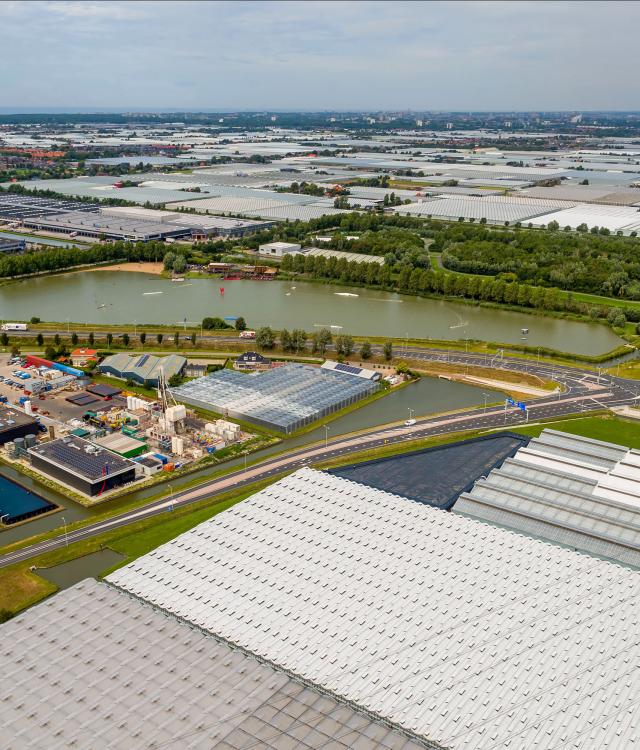
Beneath both the campus of the Delft University of Technology (TU Delft) and a large part of the city of Delft lies a substantial natural heat source. Above it can be seen a newly built geothermal plant that is suppling sustainable heat to both the campus and part of the city while simultaneously being connected in real time to a large scientific research and education programme at TU Delft. On behalf of Geothermie Delft B.V., Alewijnse implemented the advanced control system of the geothermal installation.

A sustainable alternative to natural gas

“Geothermal energy is a sustainable alternative to natural gas,” says Jean-Pierre Gerrits, project manager at Alewijnse. “Heat from the earth is a long-lasting source of energy, unlike fossil gas. Moreover, very little CO₂ is released during the extraction process, which makes an important contribution to European climate goals. By 2050, 7 million homes and 1.5 million buildings in the Netherlands must be disconnected from natural gas.”
A major step forward
The sustainable project Geothermie Delft is taking an important step forward in the energy transition with the consortium consisting of Gaia Energy, TU Delft, Energiebeheer Nederland and Alewijnse. Working together, a new geothermal source has been developed that supplies sustainable heat not only to all residents and visitors of the university campus, but also to a large part of the city of Delft. In addition, the project offers a unique opportunity to further develop scientific knowledge about geothermal energy in a complex urban environment.


Hot water on 2.5 kilometres below the surface
In front of us we see the geothermal installation which pumps hot water from underground layers of rock at a depth of approximately 2.5 km, is passed through heat exchangers that extract the heat from the geothermal water and transfers to the district heating network. The next stage is the distribution of the heat to the end users. The final stage is returning the cooled geothermal water to the same deep underground reservoirs via a second well.
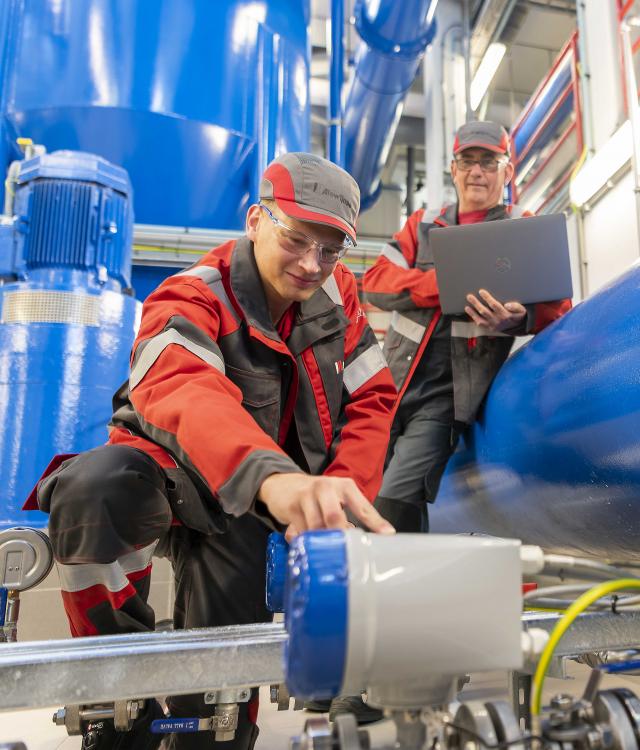
To ensure that the energy flows efficiently, Alewijnse has designed and installed all the automation systems and electrical installations including the panels that control both the above-ground geothermal installation and the connected heat distribution network. This includes controlling the geothermal heat extraction, together with the heat exchangers, degassing installations, production and injection filters, transport and injection pumps, the distribution of the energy to end users, and finally ensuring that the returning geo water is injected back into the earth.
Designed for unmanned operations
Arjan Broeken, lead software engineer, talks about the innovative technology: “The control system is based on an advanced PLC/SCADA solution built using Siemens and Cimplicity technology. The installation is designed to be flexible and user-friendly and provides extensive data on temperatures, pressures, levels and flow rates.”
“With user-friendly dashboards, real-time information and status of the installation can easily be viewed by all users including operators, end customers and researchers,” says Arjan. “The starting point is that the site can operate unmanned. In the event of malfunctions, those involved are immediately alerted so they can monitor remotely and quickly assess what is going on.”


“It has been wonderful to be able to work on this project,” says Jean-Pierre enthusiastically. “It is great technology and it is very satisfying to contribute to such a unique and sustainable initiative. Alewijnse is an excellent partner for the realisation of geothermal installations. We have all the knowledge and expertise in-house to take care of the entire process, from engineering and software development to visualisation, assembly and commissioning. Such a one-stop-shop approach ensures seamless execution.”
Successful from the start
Alewijnse has been active in geothermal projects for ten years. “That is relatively long for this emerging market,” Jean-Pierre explains. “In 2015, we started our first project together with VB Geo Projects and GeoMEC-4P Realisatie & Exploitatie in Vierpolders, for a sustainable heat transfer installation for greenhouse horticulture companies in the region. Before that, such solutions were controlled with climate computers. We implemented new control software that enabled much more flexibility, better visualisation and more extensive reporting.”


Gateway to more
“The project for Geothermie Delft is opening the door to more opportunities,” says Jean-Pierre.. “Our network is growing and our brand recognition is increasing. We are proud that Alewijnse can contribute to this essential, local form of heat supply, which is playing an increasingly important role in the national future energy mix.”
Voor meer informatie over aardwarmte en het project in Delft kijk je op: https://geothermiedelft.nl/